South Africa: Sardine Run
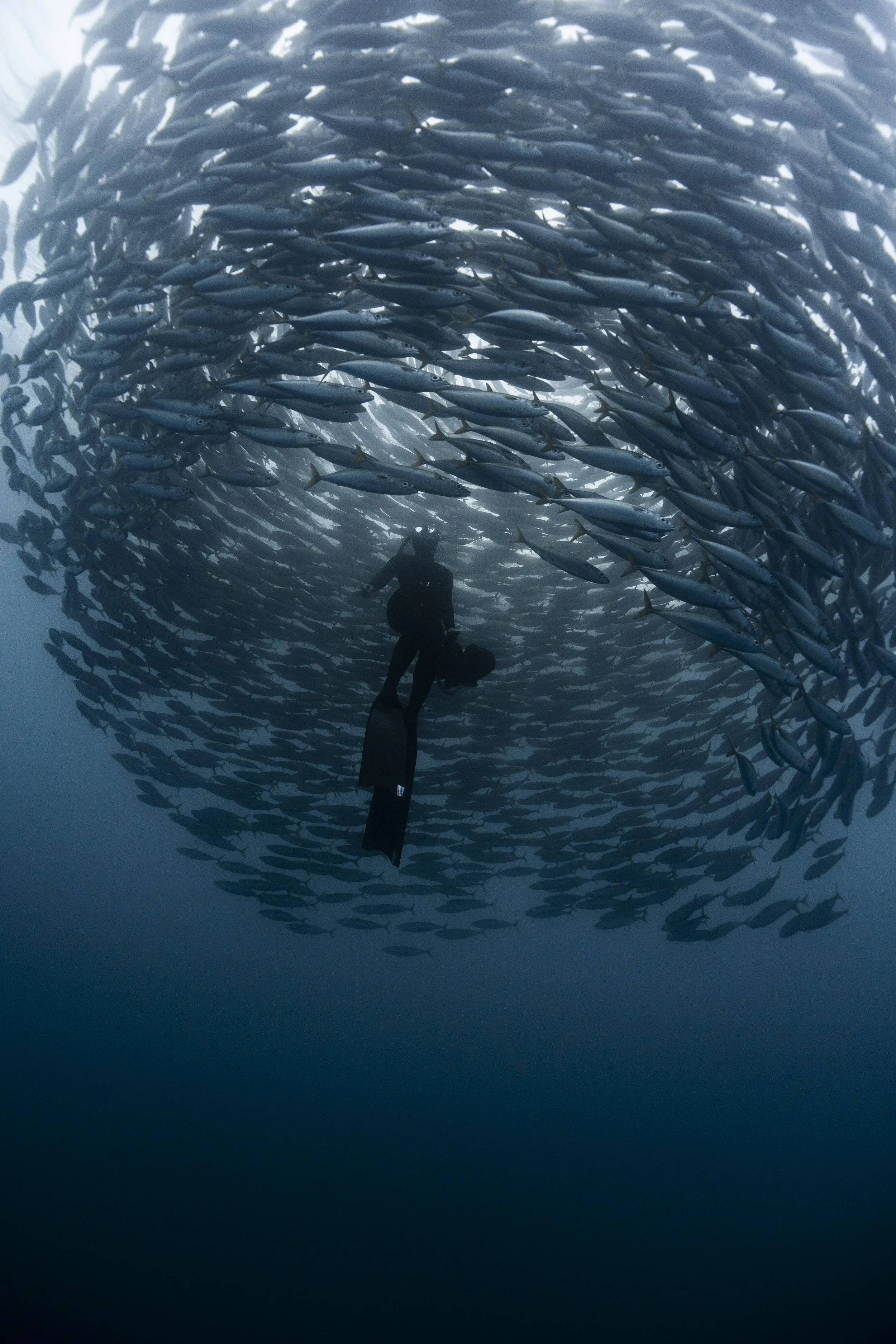
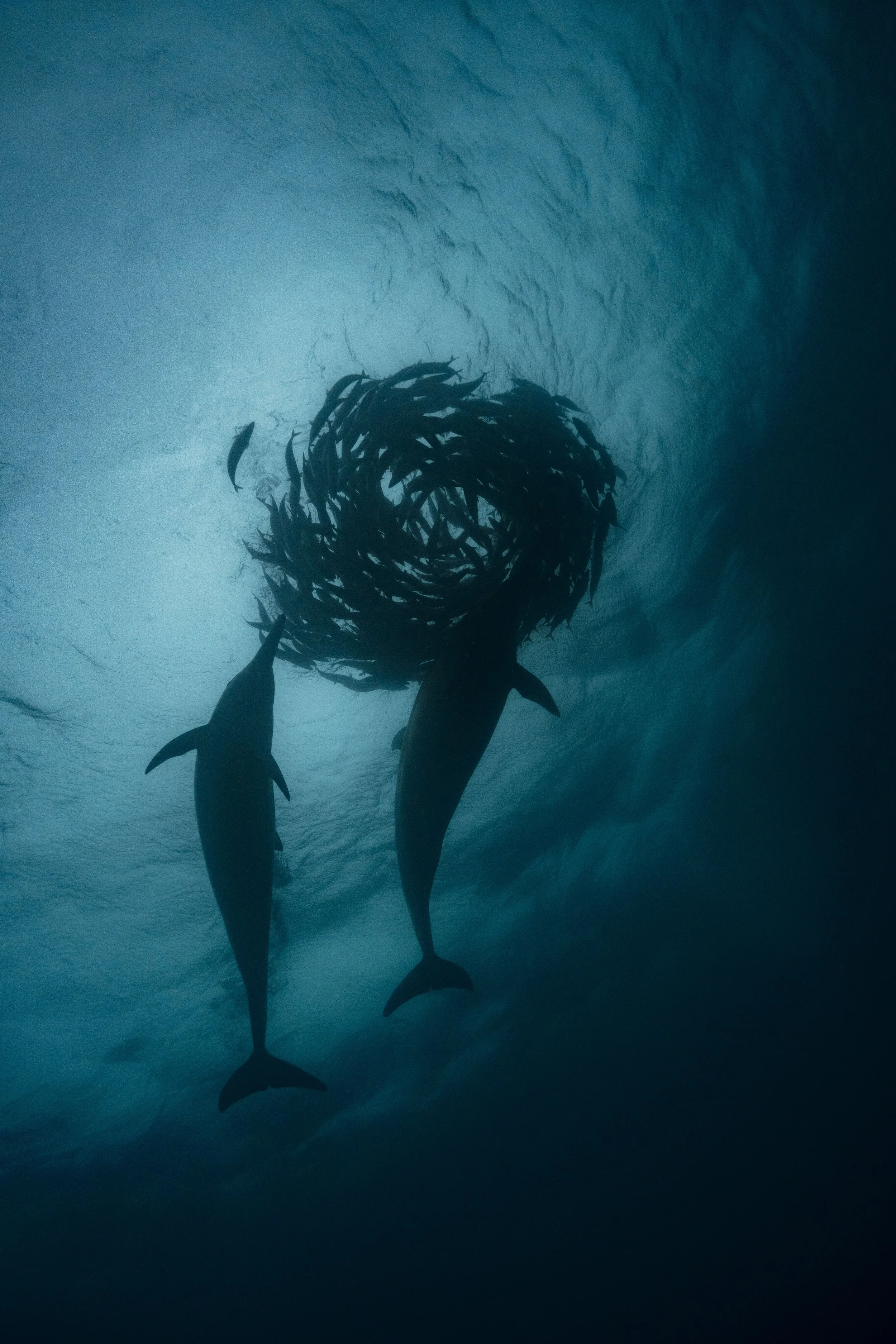
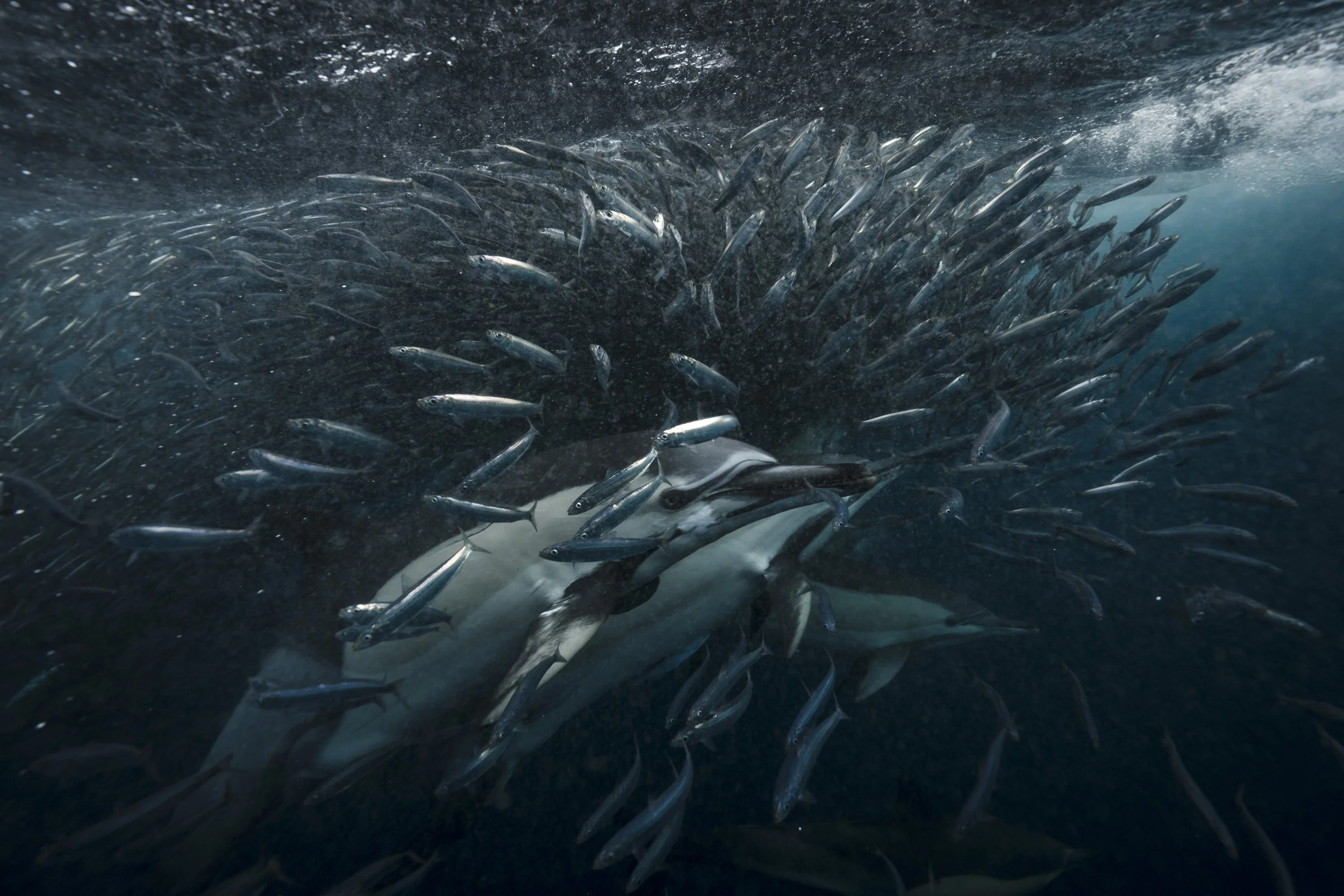
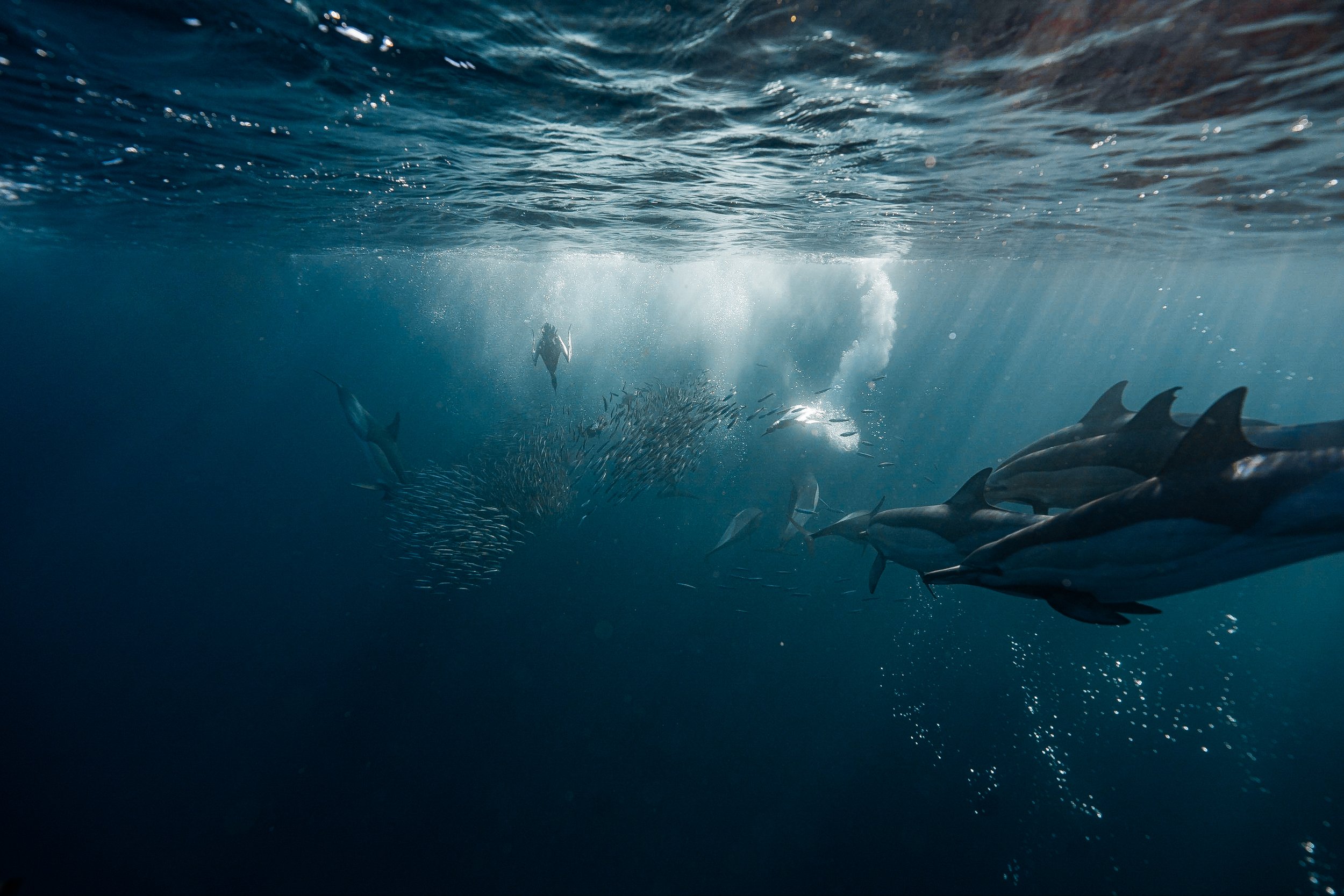
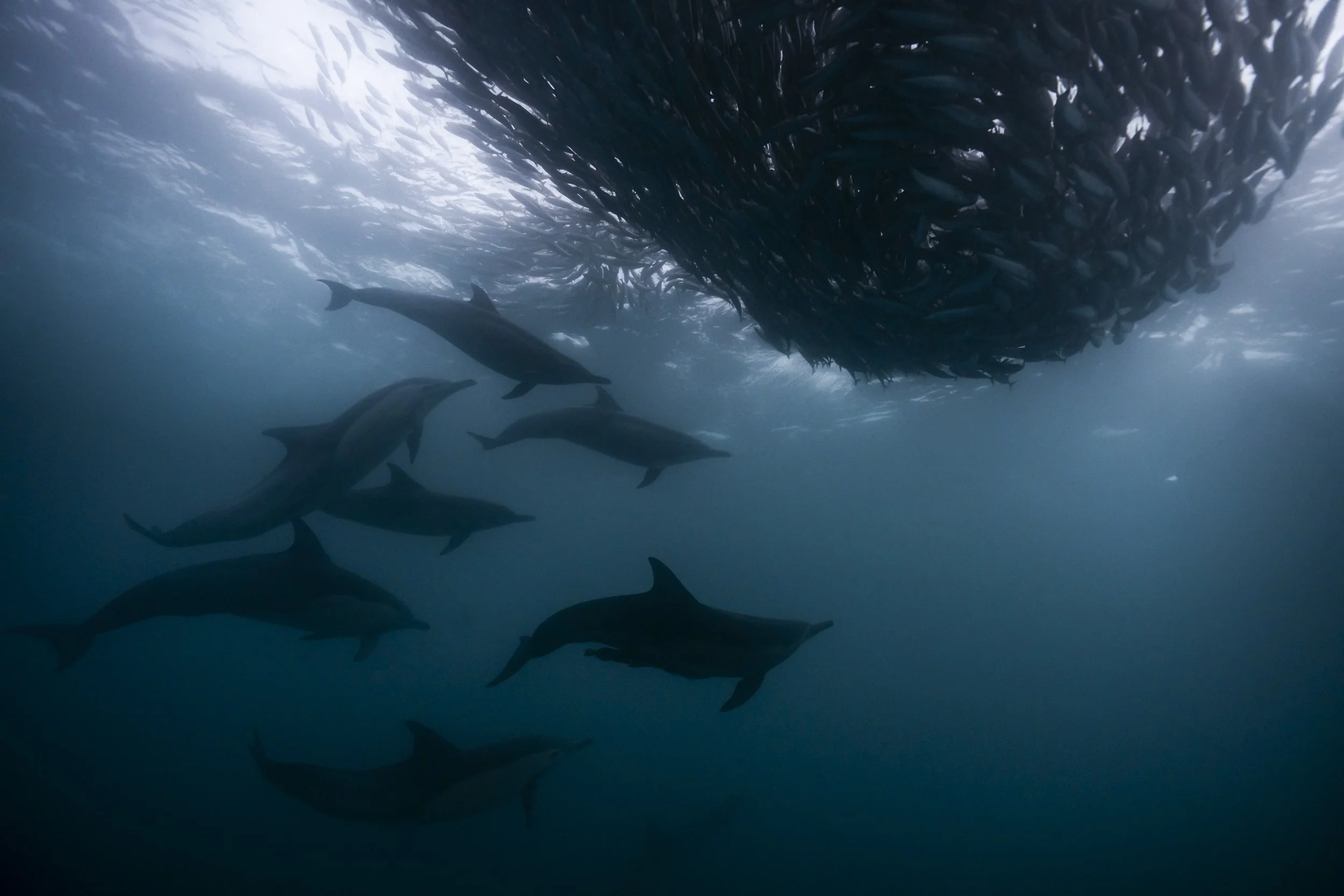
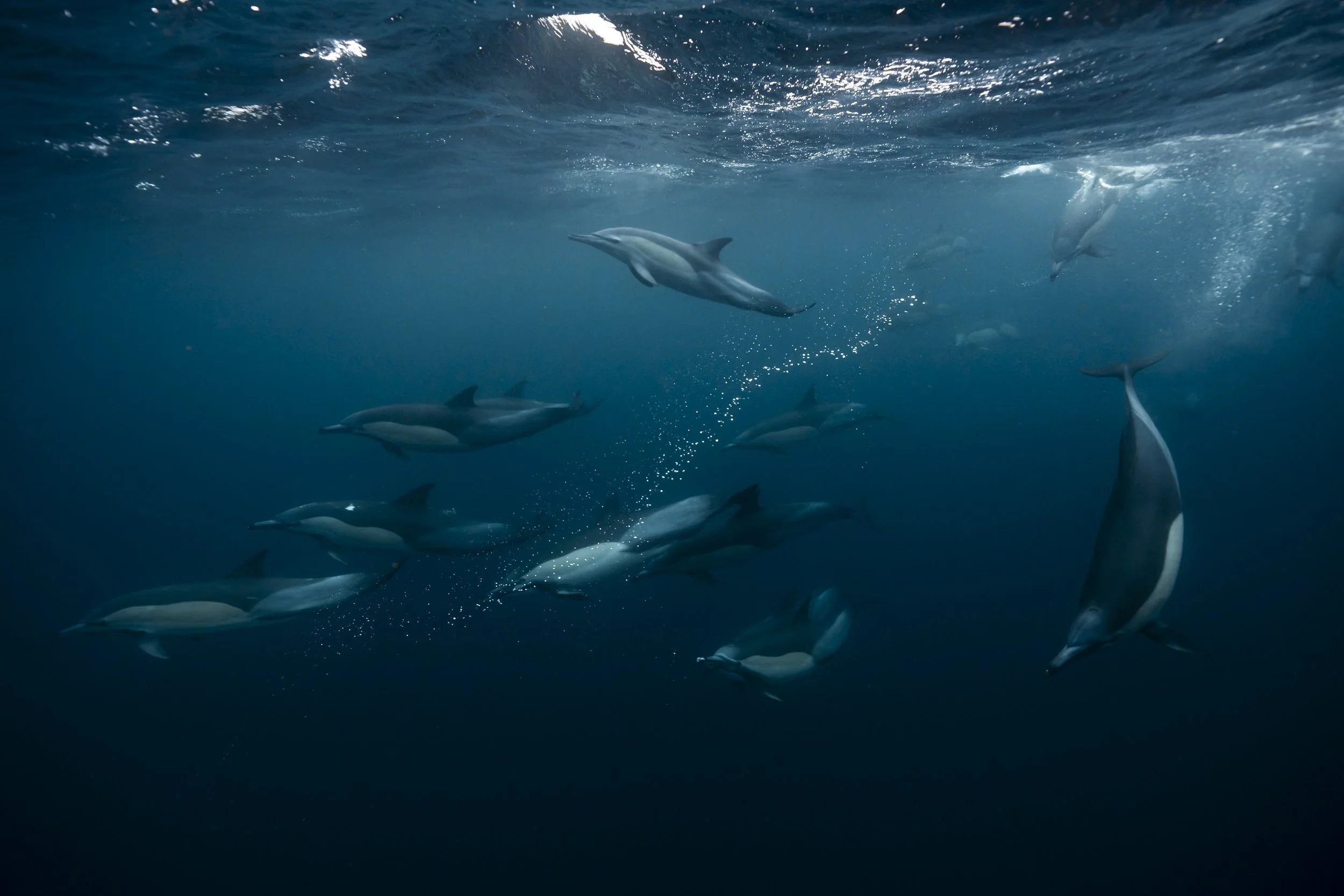
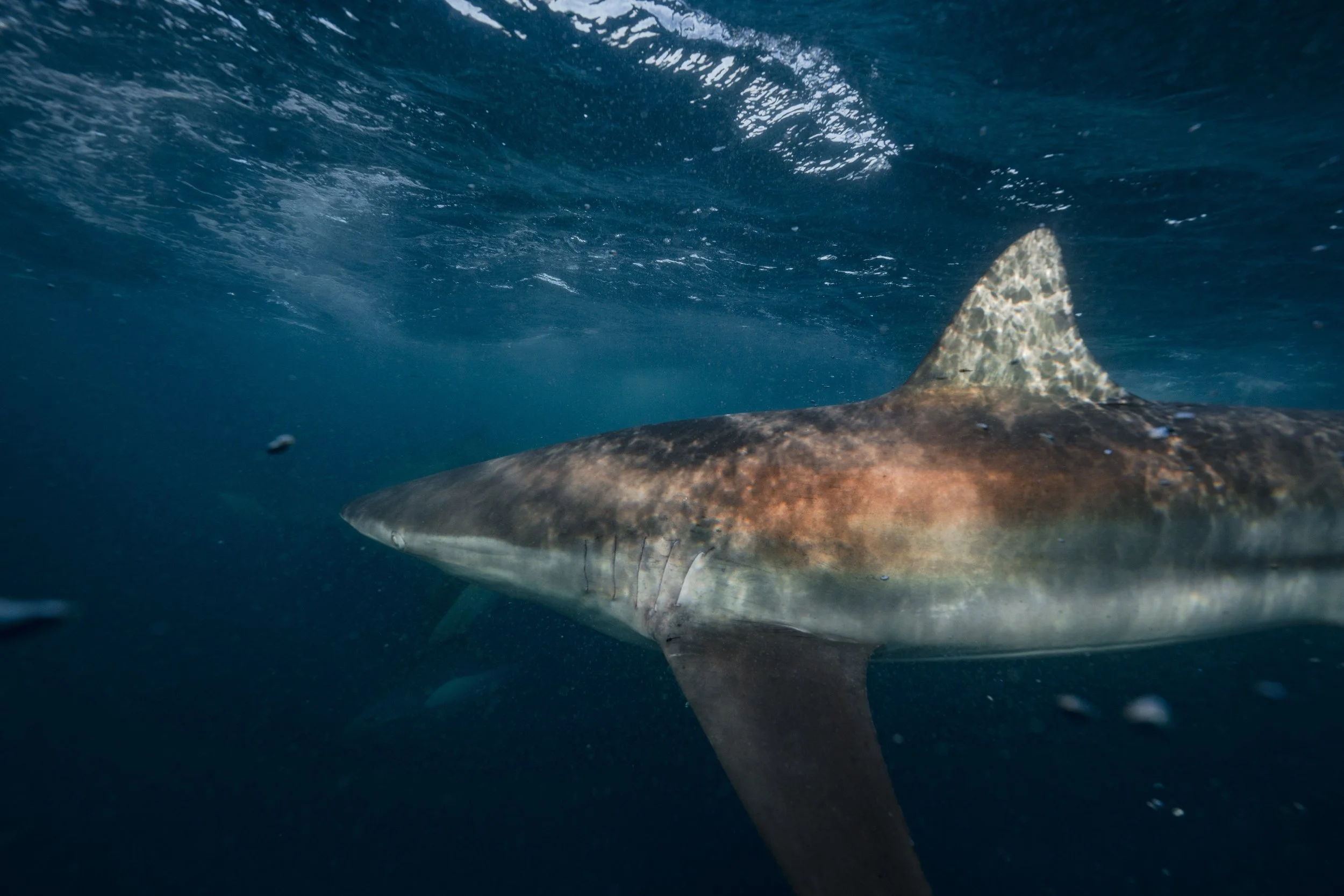
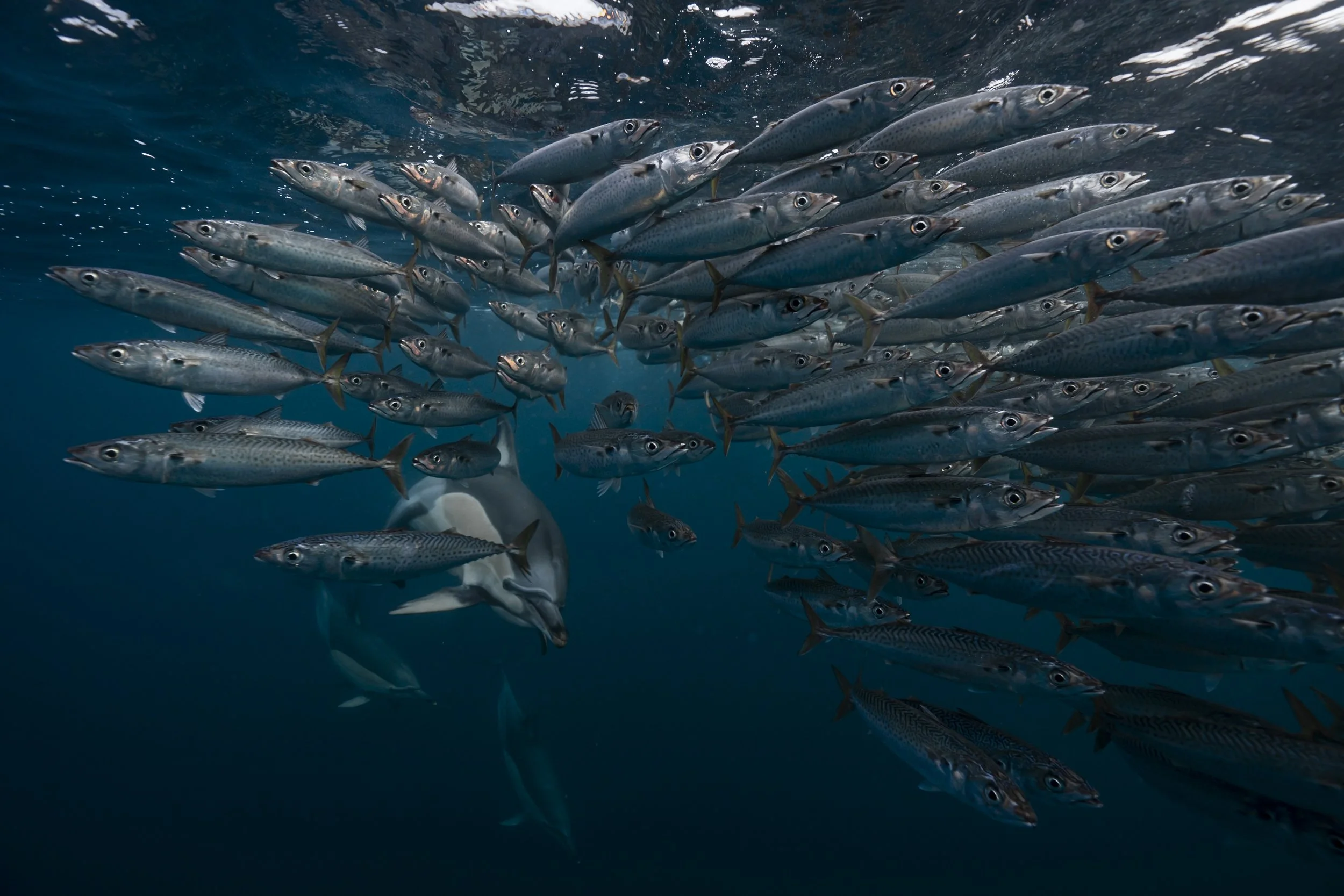
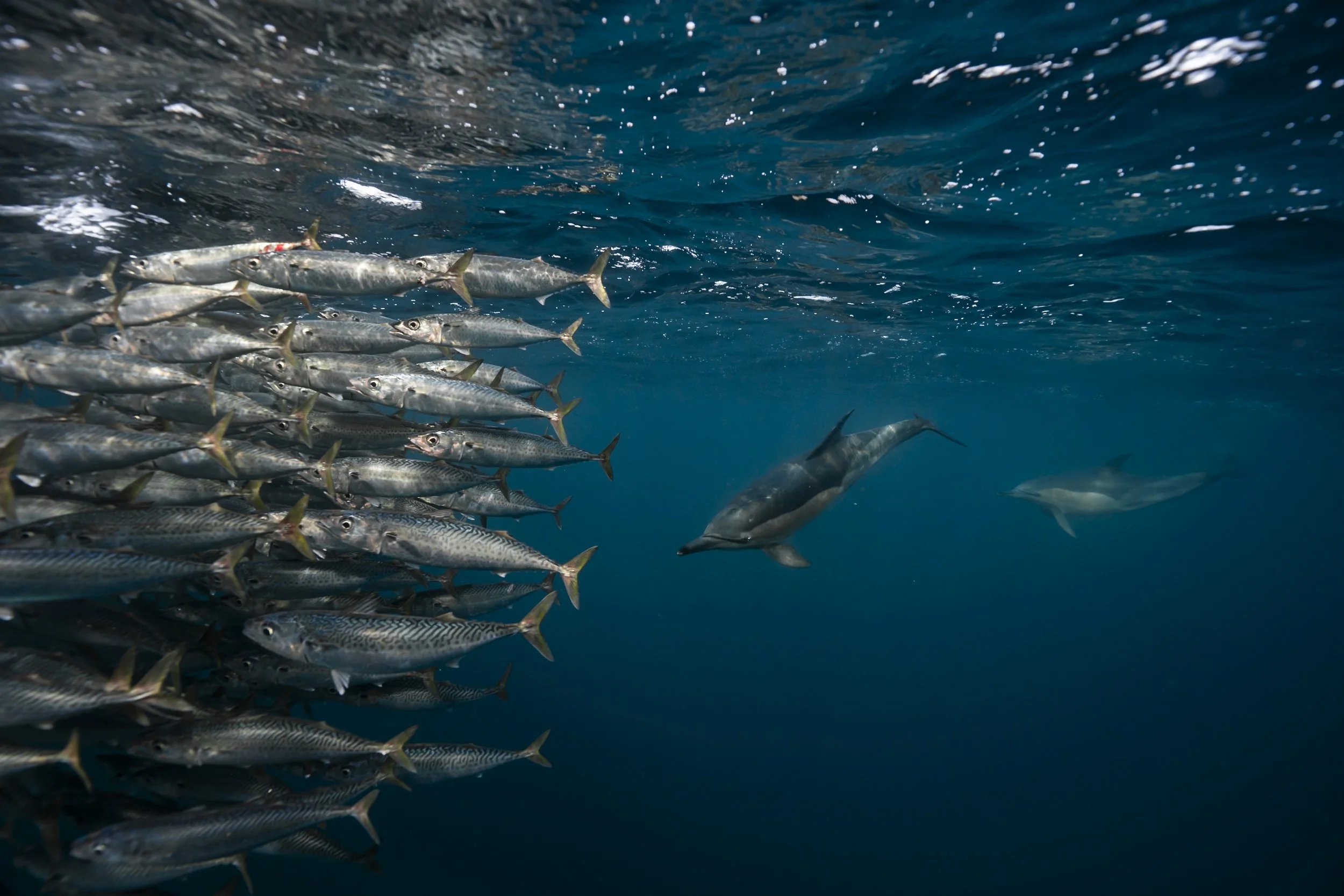
Nicknamed the greatest shoal on earth, this expedition of a lifetime is the opportunity to witness marine megafauna like dolphins, sharks, whales, and birds hunt bait balls of sardines in frenzied feeding.
EXPEDITION DATES
Session 1A: June 26 - July 3, 2027
Session 1B: June 26 - July 3, 2027
Session 2A: July 4-11, 2027
Session 2B: July 4-11, 2027
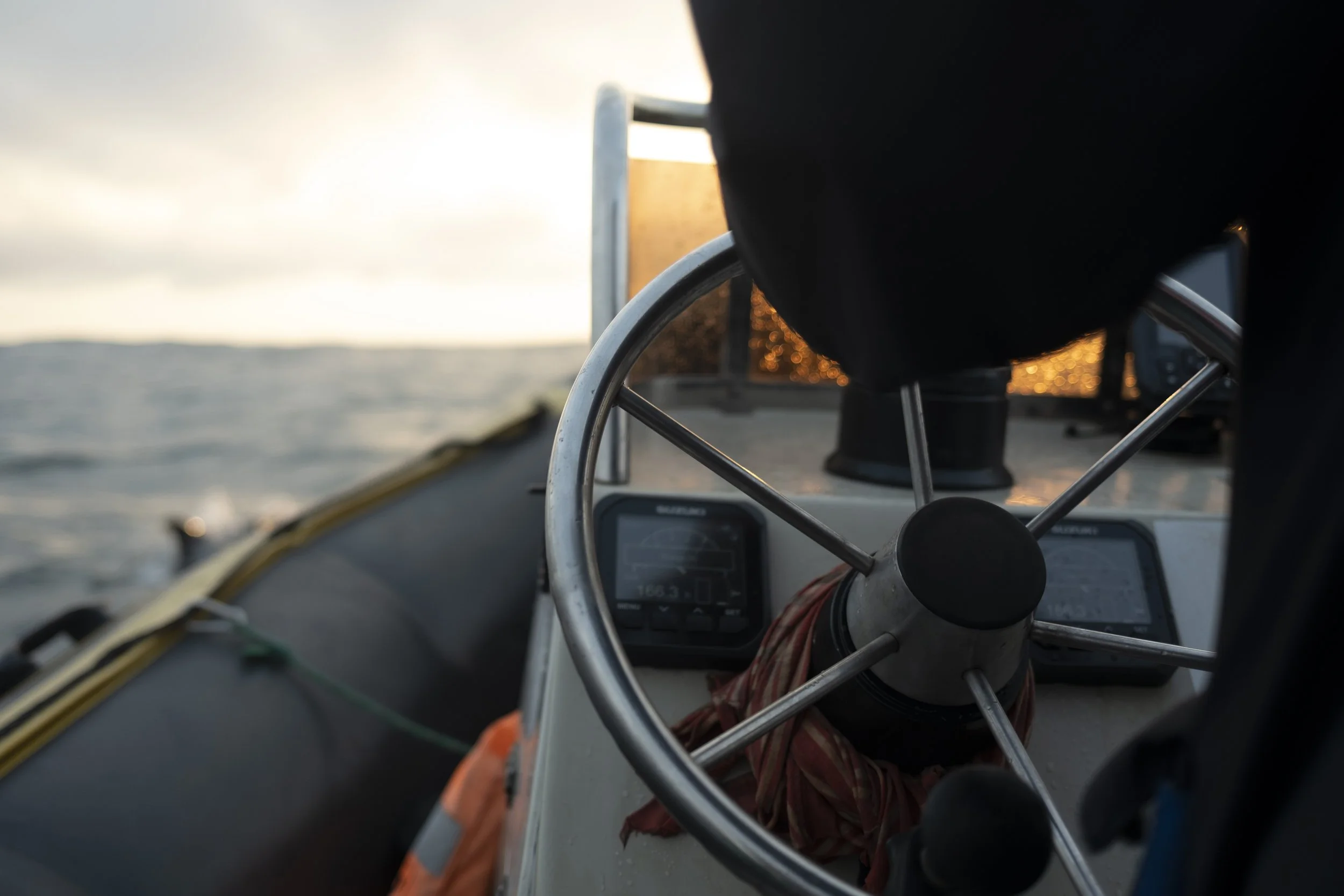
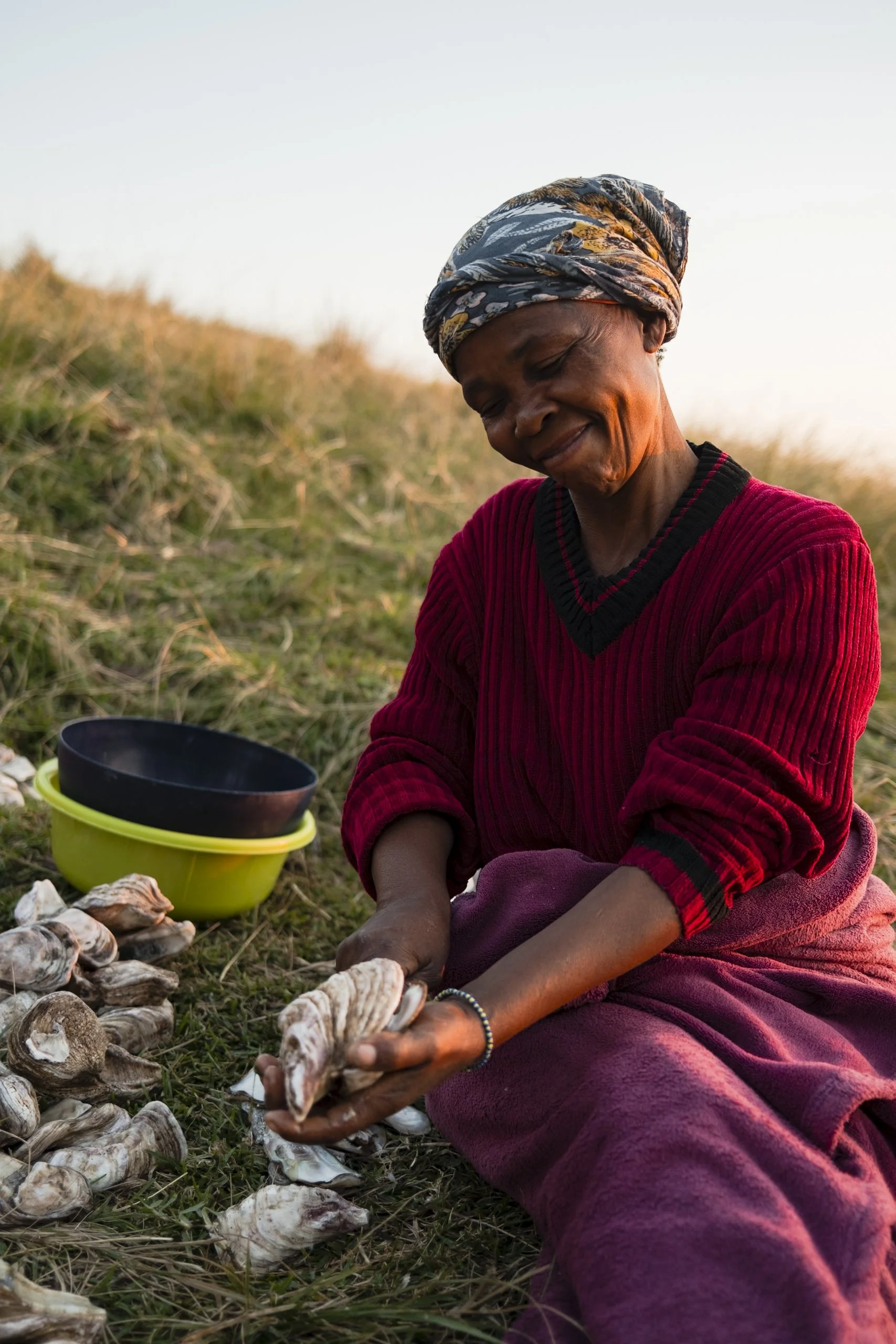
Our trips operate from a remote, undisclosed location along the Wild Coast, where we are the only team working the area. Accommodation is at a community-run lodge in comfortable, traditional rondavels and houses, some with shared bathrooms. Each evening we eat together: home-cooked meals, local ingredients, and oysters bought fresh from the women who harvest them from the rocks on our doorstep. Our offering is an authentic and family feel experience. We also build in an additional ocean day for weather and wildlife contingency.

The Sardine Run
Known as the "Blue Serengeti,” the sardine run is a natural phenomenon that occurs every June and July along the Wild Coast of South Africa. Huge schools of sardines migrate from their spawning grounds to cooler waters in search of food, attracting a variety of marine megafauna — whales, sharks, dolphins, birds, penguins, and more.
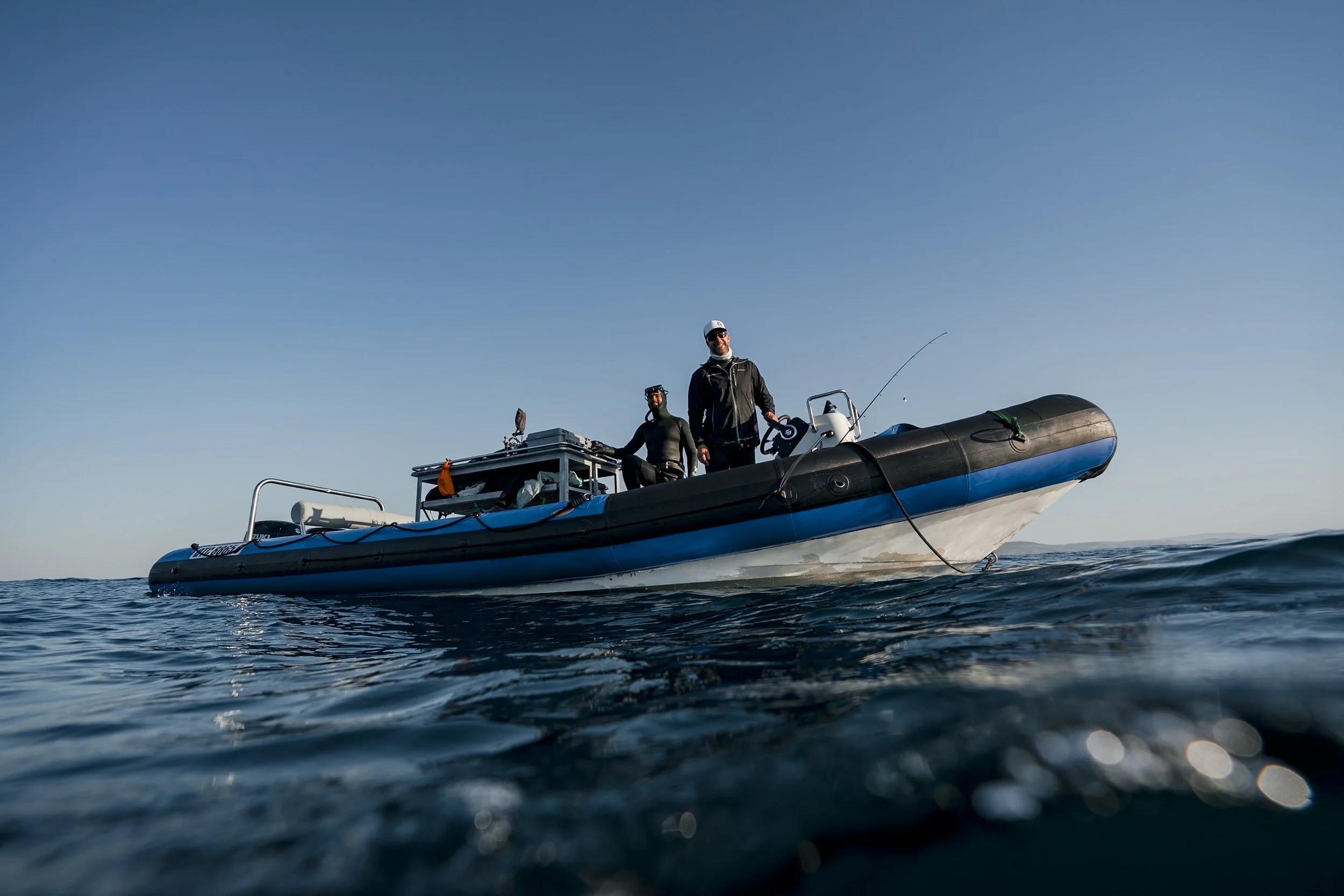
Although our primary focus will be to find the bait balls, there is also the opportunity to encounter a vast array of marine species. Think of this as an ocean safari at its best.
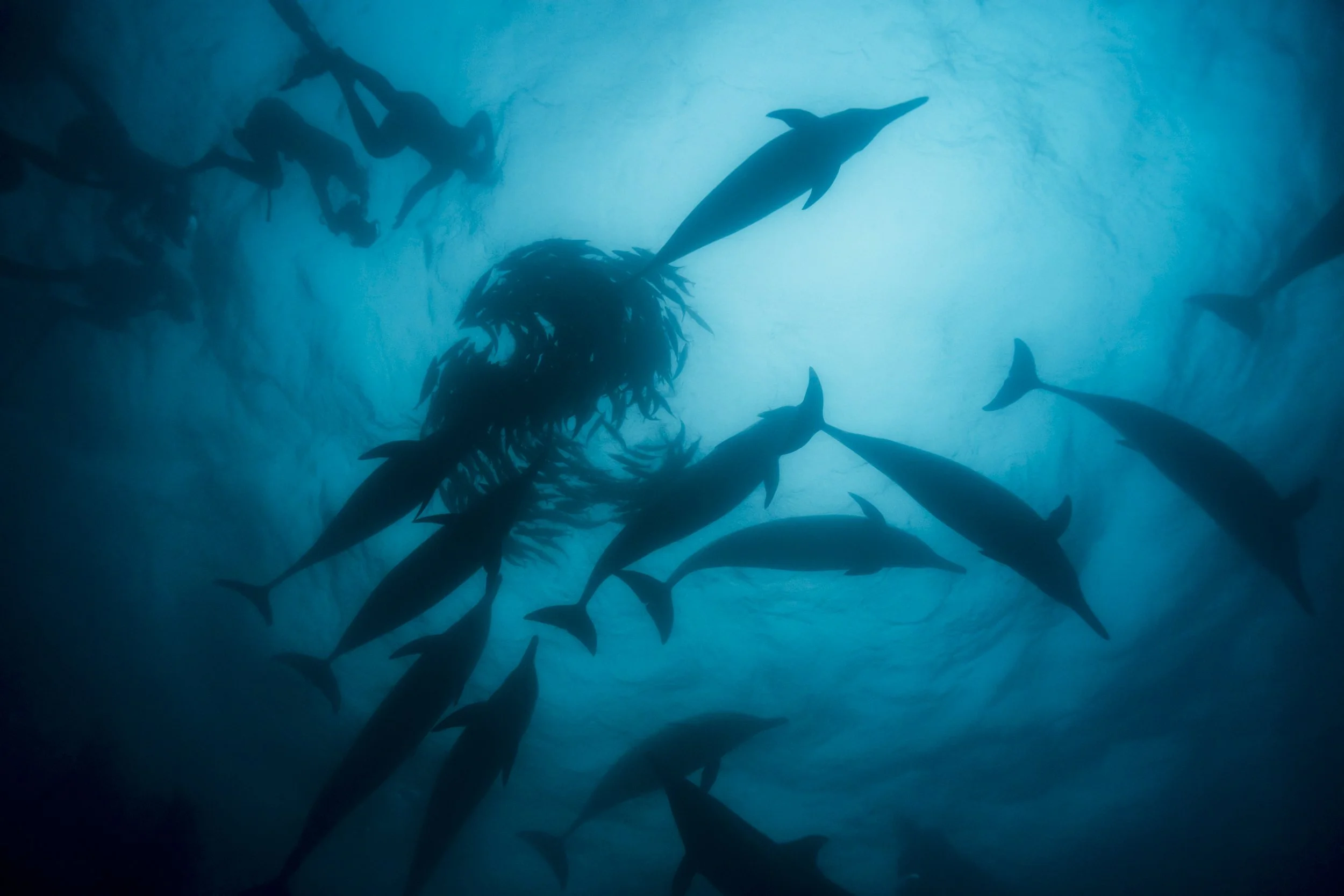
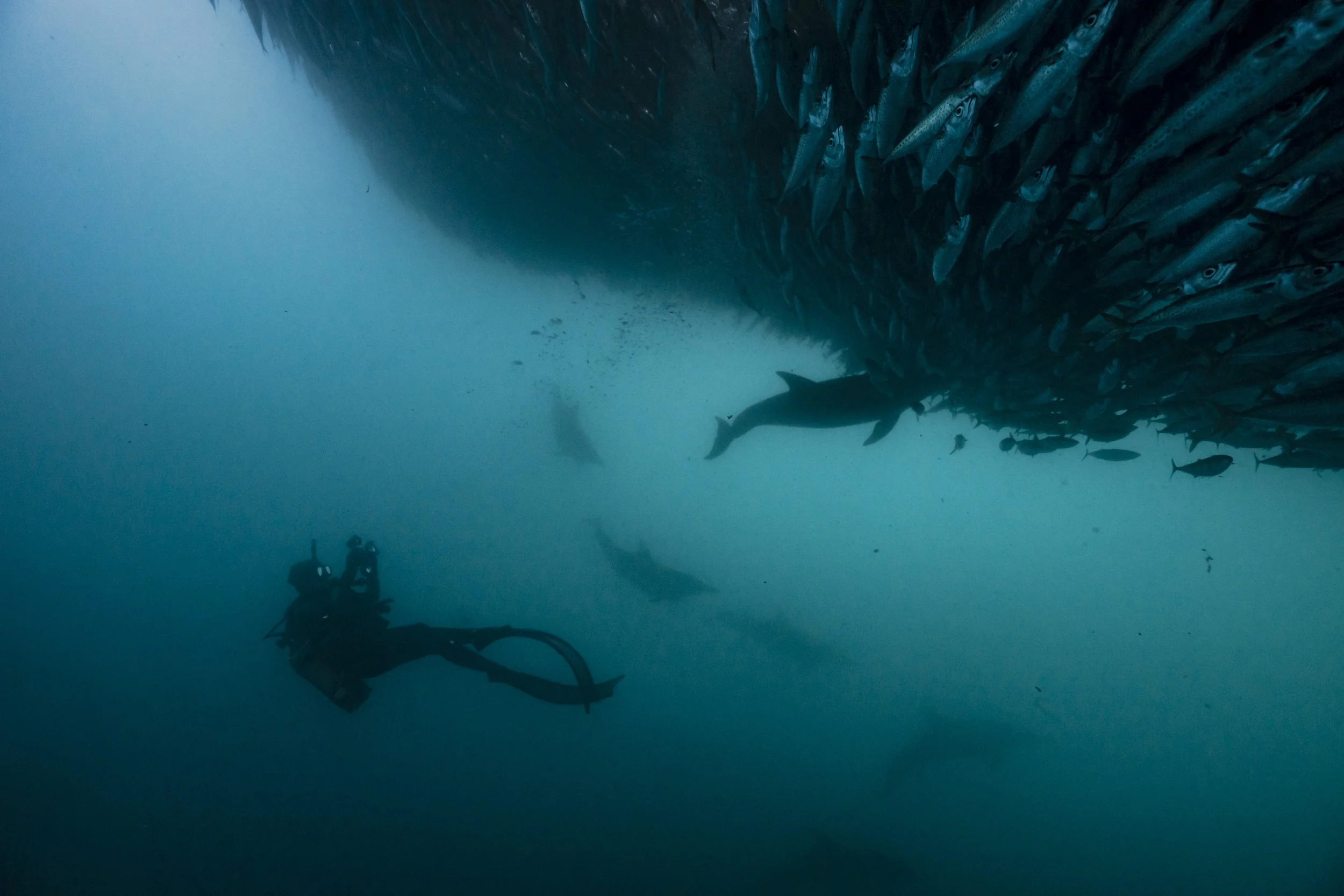
This world-famous ocean expedition allows you to swim with the animals as they hunt bait balls in frenetic action. There is a high chance of in-water encounters, determined by the guide depending on the day as the action unfolds.
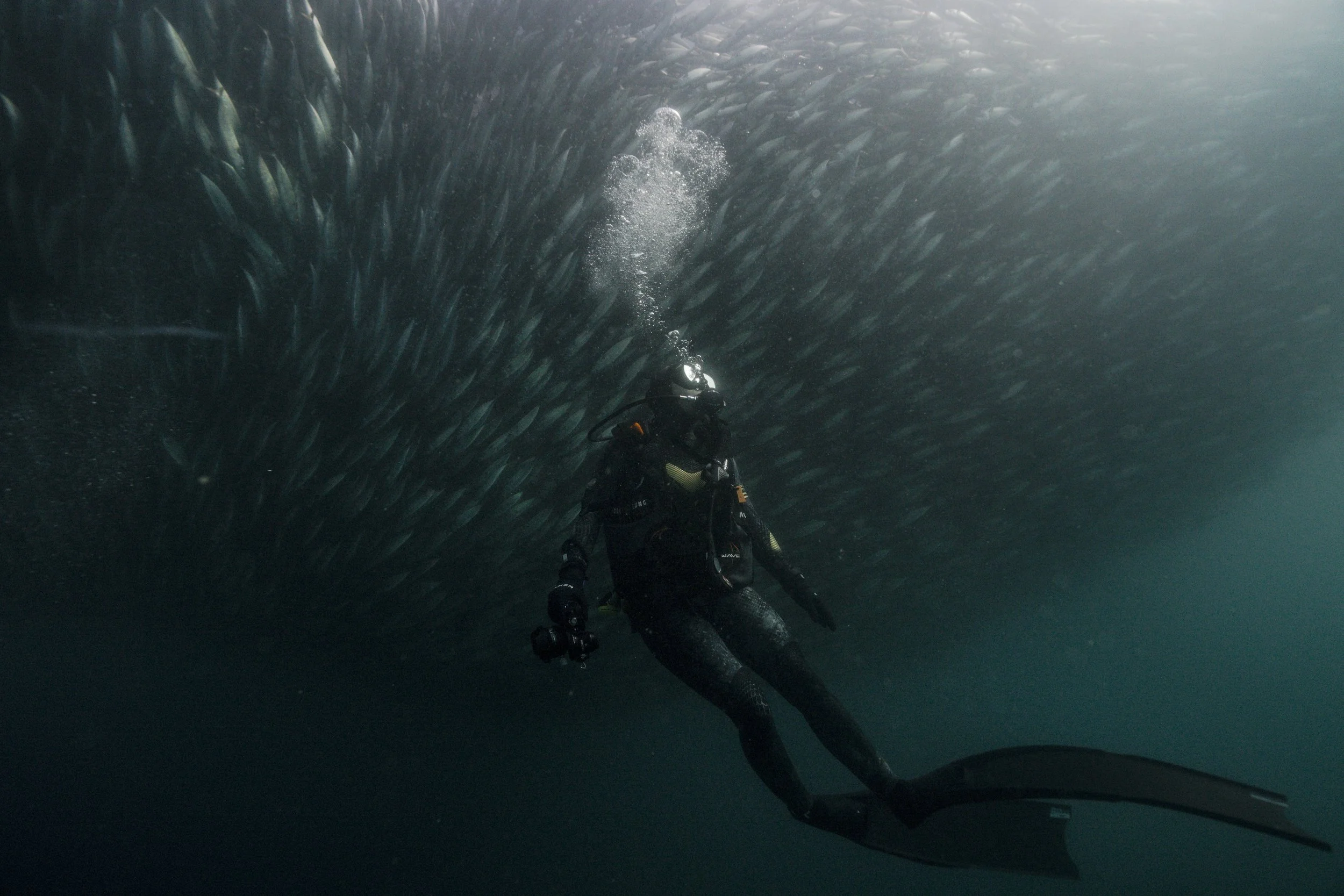
Experience Level: Contrary to popular belief, most of the sardine run is actually experienced on snorkel, as bait balls form and dissipate rapidly. Some of the best action is close to the surface, meaning it is best to have the flexibility to jump in and out of the water quickly.
For scuba divers, we require having an Advanced Diver certification. However, what’s more important is your fitness level— on an active day, you’ll be hopping in and out of the boat and swimming to keep up with fast-paced marine activity.
Every participant must be fit for swimming and snorkeling
Expect to spend long hours on boats
Snorkeling is done in the open ocean. We recommend to bring good fins, a snorkel and a mask, though rental equipment can be arranged.
Admission: By invitation or application only. Apply to join here.
FAQ
-
Duration: 7 nights, 6 water days
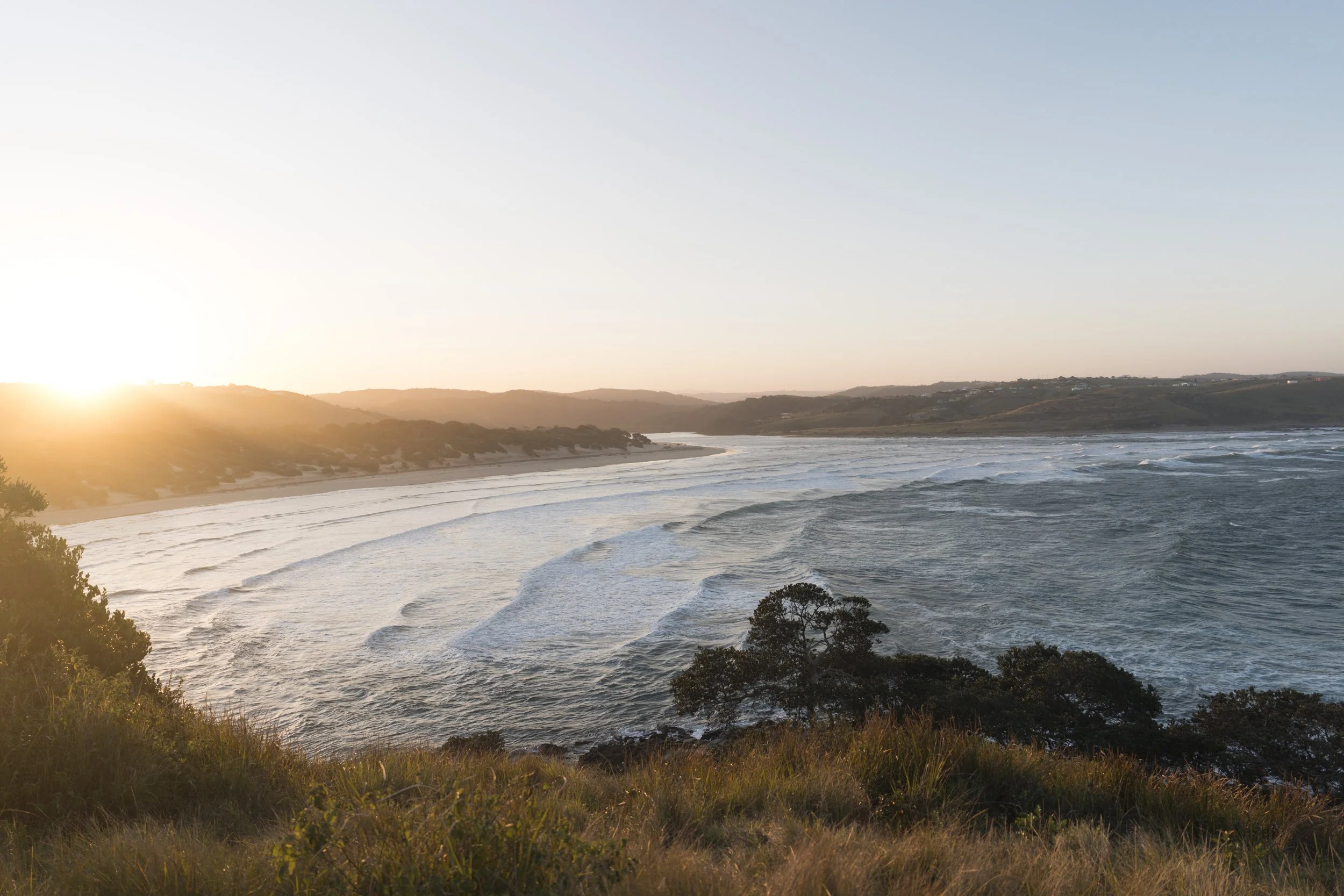
Location: Undisclosed location on the Wild Coast, South Africa
Activities: 6 sea days for the sardine run safari; land activities including kayaking up the river, renting a surfboard, going on a nearby hike, and exploring secret sea caves.
-
$4,750 (USD)
Half is due as a deposit at the time of booking.
Remainder is due 4 months before departure.
Single supplement and accommodation upgrades are available for an additional fee. See Terms and Conditions for more info. -
Itinerary
Day 1: Arrive at airport and transfer to accommodation overlooking one of the most beautiful stretches of the Wild Coast with secluded white sand beaches and endless exploring. Meet the team for a dive briefing. Enjoy dinner on-site.
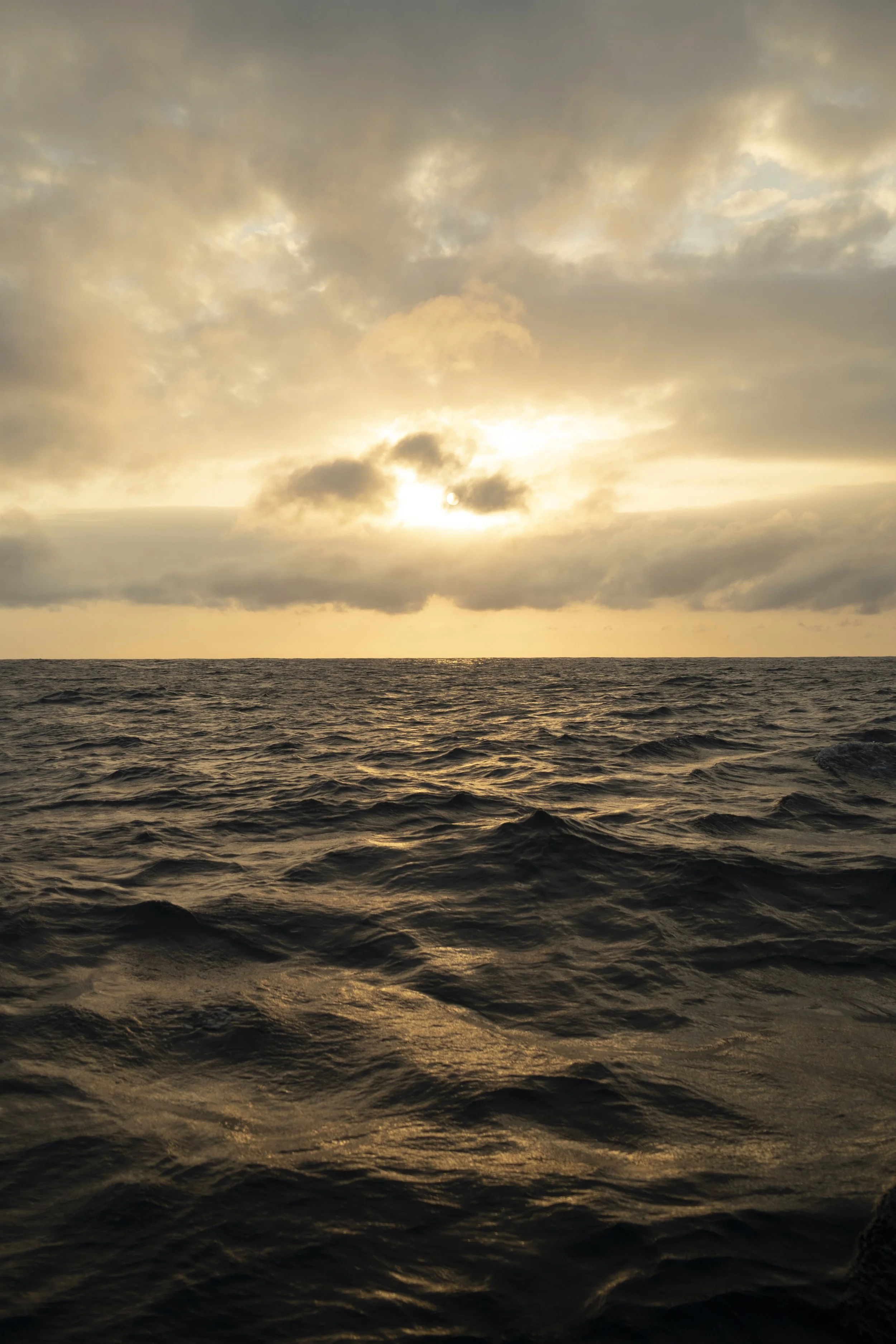
Day 2-7: 6 days of ocean safari. Each morning we receive updates about the sardine run, and launch boats to spend the day out at sea. Get up close and personal with many species of marine animal including gannets, sharks, common and bottlenose dolphins, game fish, humpback and Bryde’s whales, and millions of sardines.
The sardine run offers activity from the boat as well as in the water. We will enter the water as many times as possible during the day, sometimes on snorkel and other times on scuba, depending on the action.
In the late afternoon, return to shore to relax, or enjoy a local excursion before our communal dinners. Typical Xhosa-style bread and vetkoek are a highlight, with meat, fish, salad and veggies (lentil options available for vegetarians). Oysters, lobster and fresh fish are a highlight of the culinary service.
Day 8: Transfer to airport — or extend your stay with an optional Big 5 Safari or Cape Town add-on!
Terms & Conditions: Please note that, much like a safari, the sardine run is a natural phenomenon. We take advantage of all opportunities presented by the weather and wildlife each day. Baitballs are feeding aggregations of wildlife; they are unpredictable and cannot guaranteed. We cannot offer refunds in the case of any bad weather days where we are forced to remain on land, though we will organize an alternative land excursion such as a village/community visit, or a coastal hike.
-
Flights + Transfers: Transfers can be arranged at additional cost from either:
East London Airport (5-hours drive)
Mthatha Airport (flights via Johannesburg, plus a 2-hour road transfer)
➢ We recommend flying in to East London Airport as there are more flight options. Mthatha airport is closer, but only flies through Johannesburg and has limited flights. If flight schedules do align with your trip dates, flying to Mthatha airport is a good option and private shuttles can be arranged at a higher cost. Please note that Durban Airport is too far away.
➢You must send us your flight information at least one month before the program start date so we can book your transfer. If your flight is delayed, please contact us ASAP so we can re-arrange your transfer.
➢ Please leave ample travel time for departure day — the roads on the Wild Coast are meandering and pot-holed, and can take longer to drive than according to Google Maps! Domestic flights need to depart after 3 pm and international flights need to depart after 4 pm minimum. If you cannot get suitable flights, we can help arrange overnight accommodation and airport transfers the following day.
-
INCLUDED
7 nights accommodation (shared)
6 sea days for sardine run safari
All meals: breakfast, lunch, dinner. We also usually do a braai (South African BBQ during the week)
Professional guide and trip leader
Full boat crew
Weights / belt
Cylinders & airfills
EXCLUDED
Flights
Airport transfers
Extra meals and alcoholic beverages
Gratuities
Diver / travel medical insurance
Accommodation upgrades / single supplement or extra nights
Extracurricular activities e.g. guided hikes, cultural tours, afternoon flights in the aircraft (time permitting)
Dive gear rental – MUST be pre booked
2027 Season Dates
Sardine Run Session 1: June 26- July 3
Sardine Run Session 2: July 4-11
Botswana Safari Extension July 11-17**
from $4,750 (USD)
**Botswana extension at additional cost






Get a taste of this expedition from our video
-
Pier Nirandara
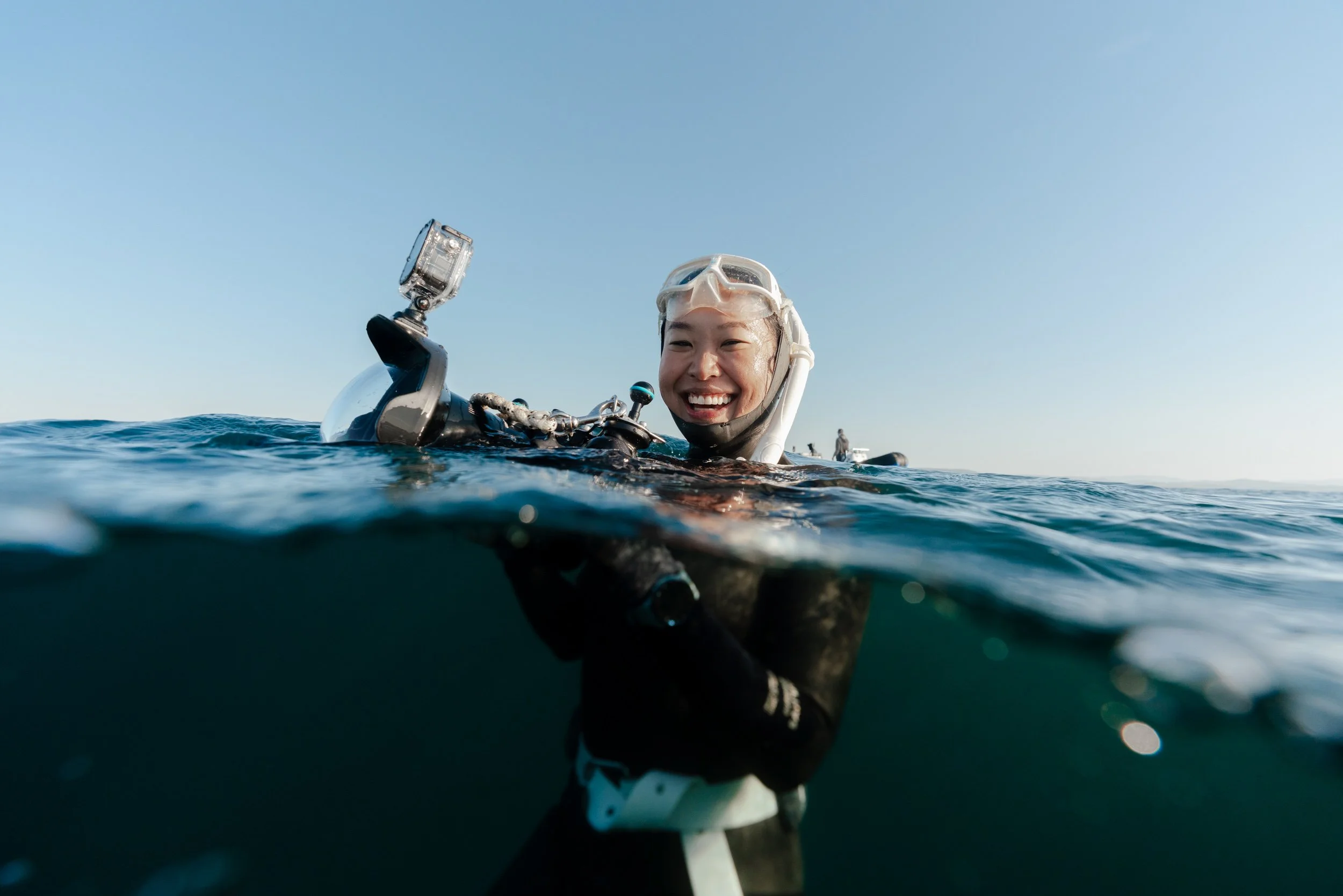
Pier Nirandara is an award-winning author, travel writer, film producer, and underwater photographer. A PADI AmbassaDiver™, TEDx speaker, and member of The Explorers Club, her work has taken her diving with sharks and whales in the South Pacific to South Africa, and can be found in the BBC, Condé Nast Traveler, Oceanographic, and more. Having gone on her first “run” in 2018, the Sardine Run is her favorite expedition of the year.
-

Matt Reichel
Matt, from Vancouver, Canada, is a nature enthusiast, geopolitics nerd, and documentary photographer. A Brown University graduate in International Relations, he leads oceanic programs and geopolitical trips, documenting wildlife and humanity since 2017. His work has been featured in National Geographic, The New York Times, The Washington Post, BBC, Al Jazeea, VICE, Reuters and more.
Beyond the Baitball: Historical Context of the Wild Coast
We've been running sardine run expeditions long enough to know that what guests remember isn't always the bait ball. It's the last night dinner. The morning the sea was too rough to launch and we walked to the village instead. The moment they met the oyster ladies.
The Wild Coast is Xhosa heartland. This is the former Transkei—the homeland to which the apartheid government forcibly relocated hundreds of thousands of amaXhosa people, severing them from the rest of South Africa for decades. It is also the land that produced Nelson Mandela, Oliver Tambo, and Walter Sisulu. The weight of that history sits alongside an extraordinary resilience, a culture that is still very much alive, and a coastline that somehow stayed rooted in culture through all of it.
We try to hold all of that. On rougher days, we go into the community. And every trip, without fail, we buy oysters from the women who harvest them from the rocks at low tide—freshly shucked, eaten at the table together. It's a small thing. But it tells you everything about how a place works, and who keeps it going.